




How do you choose a primary school?
Choosing a primary school is one of the most important decisions a young family can make. It is an exciting milestone: the beginning of a new chapter in your child’s journey towards learning, confidence and independence.
There is no single “best” school, but there can be a best school for your child. League tables, academic results and reputation can all provide useful information, but they are only part of the picture. Every school has its own character and community, and finding the right fit is just as important for your child’s happiness, confidence and development as academic achievement.
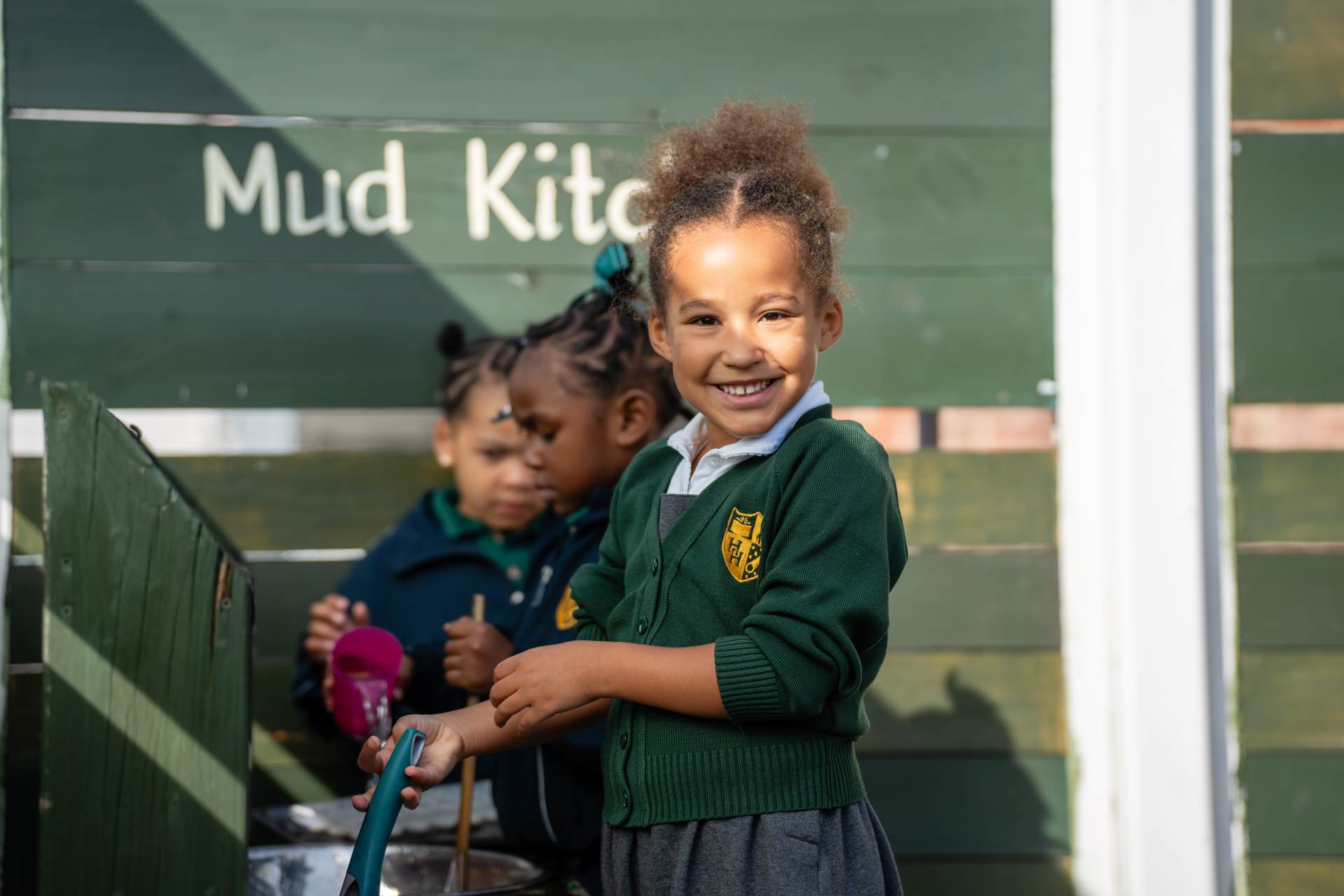
For families choosing a primary school for the first time, knowing what to look for can feel overwhelming. Here are 10 things we suggest considering:
1. Nursery and early years classes
How are new children helped to settle in? How does the school balance play with more structured learning? What does a typical day look like, and how are lunchtime and break times managed?
Have a look at Halley's nursery provision and reviews.
2. The atmosphere
If possible, visit during a normal school day when children are in school. Do they seem relaxed, happy and engaged? Do they appear comfortable with their teachers and other members of staff? Ask them about their experiences at the school: what one thing might they change if they were the headteacher?
Come and visit Halley House School: book your spot here.
3. Behaviour and relationships
How does the school foster positive relationships and encourage good learning behaviours? How does the school recognise achievement and identify the subjects your child enjoys and share with you, areas to improve?
4. Teaching and learning
Learning in the classroom, in older years groups is essential for future progress. Do the lessons seem purposeful and are delivered at a pace where children can engage in the learning? It is also worth asking how teachers stretch children who are progressing quickly.
5. Pastoral care and special educational needs
How would your child be supported through the development of friendships and challenges as they grow older? Find out how the school supports emotional well-being and helps them build strong and happy social connections. How do they identify and support children with additional needs, and how closely does the school work with parents?
6. Communication with parents
How does the school communicate with families? How often can you expect updates and how easy is it to raise a question or concern? Communication will be less frequent than in a nursery setting, so it is worth understanding what to expect from the outset.
7. Outdoor facilities and learning
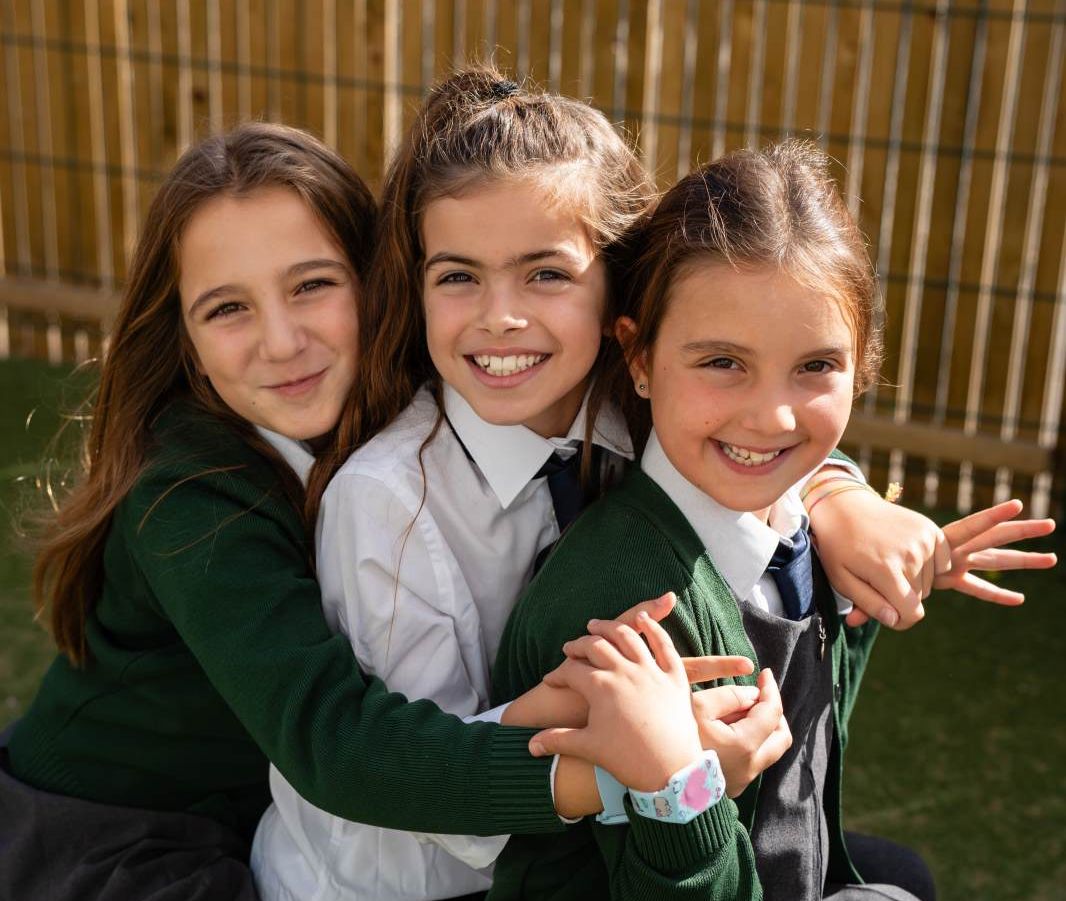
Don’t be overly impressed by grand buildings or expensive facilities. Instead, look at the opportunities children have for outdoor play, sport, creativity and practical activities. This may not always be on the school site: real opportunities come from outdoor learning and links with the wider community.
8. A broad curriculum
Ask what children learn beyond English and maths. How much time is given to music, art, PE, science, history, computing, financial education and all subjects beyond the core ones? A broad and balanced curriculum can play an important role in developing children holistically, helping them to discover their interests and providing opportunities for all children to show their talents and interests.
Have a look at Halley's curriculum tab and all the subjects and opportunities we offer, including specialist arts and sports provisions.
9. Enrichment and wraparound care
Breakfast clubs, after-school activities, holiday provision and other opportunities can make a significant difference to both a child’s experience of school and family life, as well as provide opportunities to widen friendship groups.
At Halley we offer:
- Breakfast and After-school clubs, over 20 per week
- Competitions, sports as well as themed (maths, poetry, chess)
- Trips and Residentials
10. Attainment and Ofsted
Use academic results and Ofsted judgements as useful pieces of evidence, but do consider that a school with excellent results is not necessarily the right school for every child: these provide a snapshot in time of the school. Look at the wider picture and consider how the school’s approach, culture and values align with your child and your family.
Here are Halley's latest results.
Conclusion
Ultimately, choosing a primary school is about finding a place where your child will feel safe, supported and inspired to learn, and where they can begin those important first steps towards becoming confident and independent. The most important thing is to visit the school and get a feel for the environment. Come and visit us.